Wild Smoke
Forest Fire and Our Senses
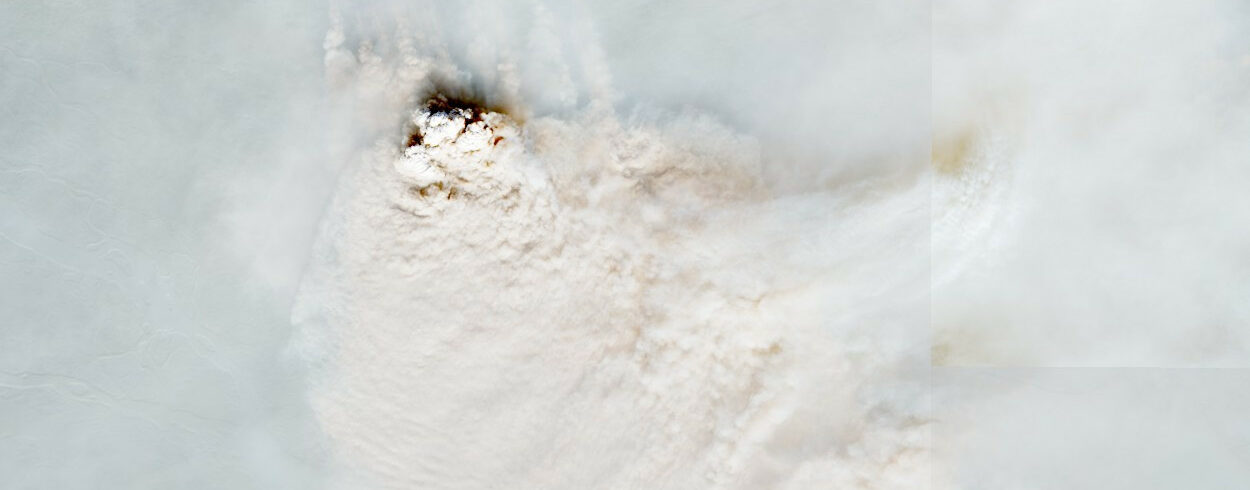
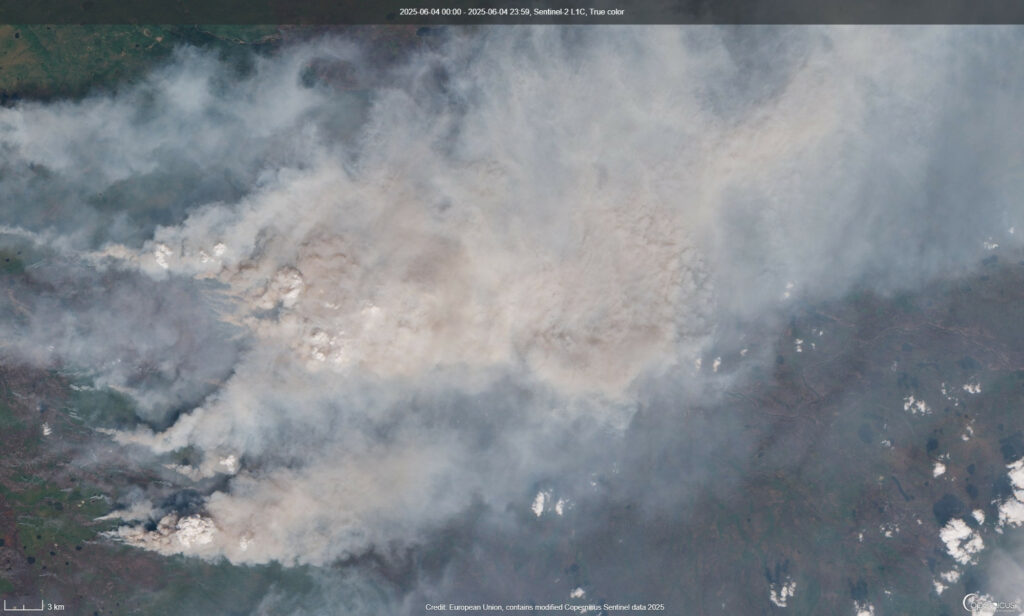
Abstract: The unprecedented scale and frequency of wildfire in the northern hemisphere has made smoke a seasonal occurrence in skies around the world. Over the last decade, ash regularly drifted from fires in northwestern Canada into northern Europe, altering forecasts on both continents, settling in Antarctic ice, and accelerating glacial melt rates. Although climate change has exacerbated smoke events in the twenty-first century, smoke seasons lie within a longer history of human-smoke interaction (wild and domestic) stretching back into deep time. Wildsmoke analyses this accumulated history to draw lessons for the present.
This post-doctoral research project consisted of of 5 integrated work packages in Norway and Canada. It resulted in a collection of public, policy, and scholarly deliverables (now complete). Wildsmoke was funded by a Marie Skłodowska-Curie Individual Fellowship held at the University of Stavanger, Norway between 2021 and 2023. The EU Project Code is 891029.
The Weight of Gold
Mining and the Environment in Ontario, Canada, 1909-1929
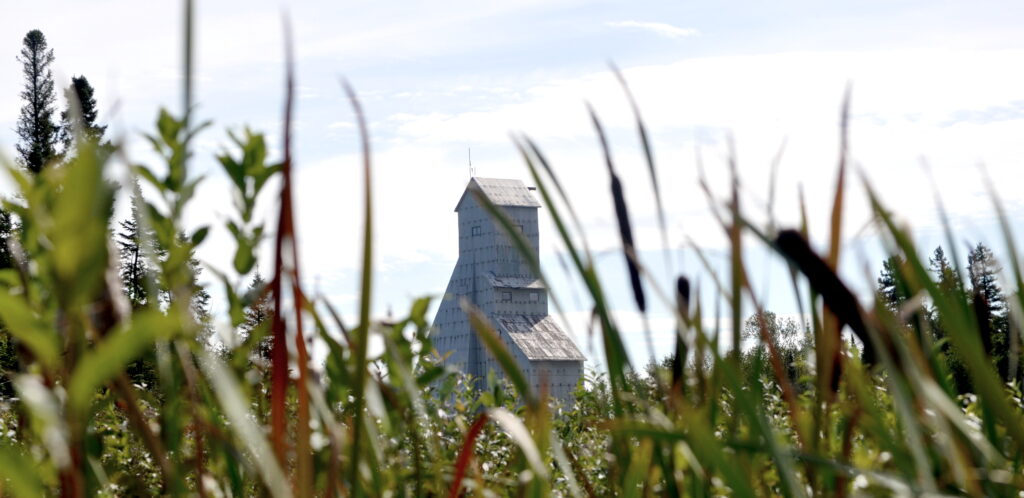
Abstract: Mining in North America has long been criticized for its impact on the natural environment. Mica Jorgenson’s The Weight of Gold explores the history of Ontario, Canada’s rise to prominence in the gold mining industry, while detailing a series of environmental crises related to extraction activities. In Ontario in 1909, the discovery of exceptionally rich hard rock gold deposits in the Abitibi region in the north precipitated industrial development modeled on precedents in Australia, South Africa, and the United States. By the late 1920s, Ontario’s mines had reached their maturity, and in 1928, Minister of Mines Charles McRae called Canada “the mineral treasure house to [the] world.”
Mining companies increasingly depended upon their ability to redistribute the burdens of mining onto surrounding communities—a strategy they continue to use today—both at home and abroad. Jorgenson connects Canadian gold mining to its international context, revealing that Ontario’s gold mines informed extractive knowledge which would go on to shape Canada’s mining industry over the next century.
The research project that culminated in The Weight of Gold was funded by the Social Sciences and Humanities Research Council of Canada and McMaster University, including the L.R. Wilson Institute for Canadian History and the Lewis and Ruth Sherman Centre for Digital Scholarship. The Weight of Gold is available from the University of Nevada Press, or can be ordered from your local book store.
